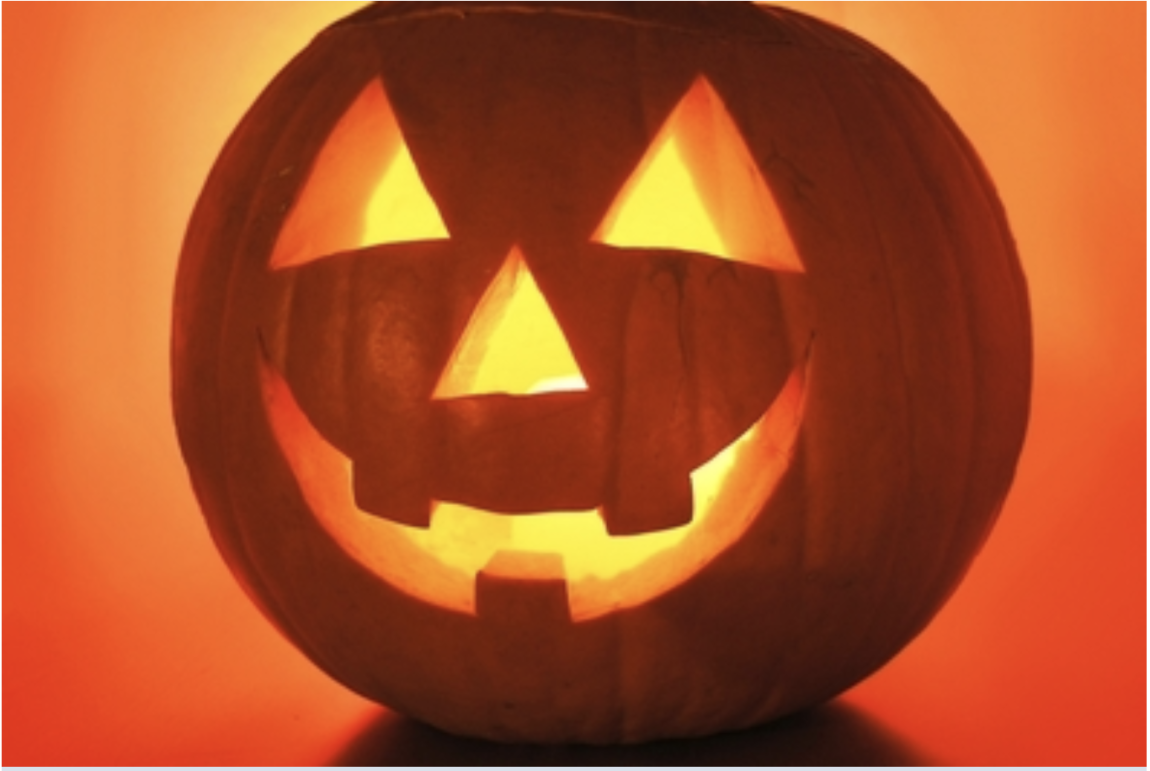
This Saturday, October 31, the eve of All Saints' Day, marks the festival of Samhain. Known as Kalan-Goañv in Breton, literally "beginning of winter," this ancient Celtic celebration marked, at dusk, the end of the light season, the onset of winter, and the beginning of a new year.
In Celtic tradition, this particular night and the two days that followed were considered a time when the boundary between the world of the living and that of the dead became more permeable. In Brittany, the remembrance of the deceased, the legends of Ankou, and the lights lit in the night to facilitate the return of the dead testify to the persistence of these beliefs. In 2011, ABP dedicated a long article to this celebration, its Celtic origins, and its survival in Breton traditions.
Long before the Halloween pumpkins, whose traditions were brought to America by immigrants from Ireland and Scotland, but perhaps also from Brittany, Breton children would carve turnips in which they placed a candle, a custom notably reported by Pierre-Jakez Hélias in Le Cheval d'orgueil.
Bloavezh mat! Happy Celtic New Year!