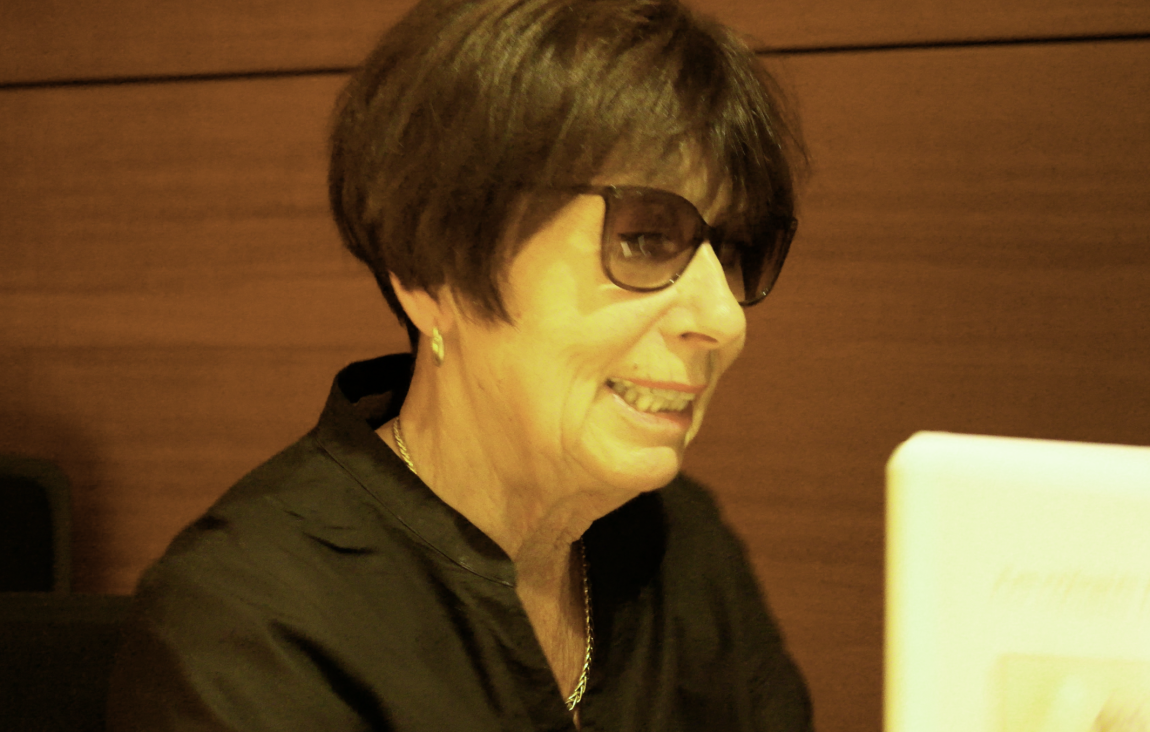
Fleeing Cromwell's campaigns, land confiscations, religious persecutions, and later, the defeat of the Jacobites, thousands of Irish found refuge in Brittany in the 17th century. Presented at the Festival de Cornouaille, the research of genealogist Patricia Dagier provides an exceptional documentary basis for better understanding this immigration that has long remained in the shadows of Breton history.
For more than thirty years, Patricia Dagier has patiently sifted through thousands of civil status records, parish registers, and Breton archives. Her goal: to trace the Irish families who settled in Brittany in the 17th and 18th centuries. Presented during a conference at the Festival de Cornouaille in Quimper, her research now constitutes an exceptional documentary basis that will undoubtedly allow other historians to delve deeper into the history of this largely forgotten immigration.
Fleeing the Irish Genocide
 Plus de 3000 mentions d'Irlandais relevées dans les archives.Des notices familiales : Des détails précis sur les familles et l'évolution de leurs patronymes.La liste des paroisses : Un inventaire complet des communes bretonnes ayant accueilli des réfugiés au XVIIe siècle
Thousands of Irish sought refuge in Brittany in the 17th century. In the parish registers, they appear under the names of "Hibernois" or "Irois." Many fled land confiscations and massacres perpetrated under Cromwell starting in 1649, others fled religious persecutions, and then, from 1691, the defeat of the Jacobites loyal to the Catholic King James II. Many of them landed in Brest or other Breton ports. Often poorly received upon their arrival because they were destitute, they eventually integrated into Breton society within two or three generations. According to Patricia Dagier, Breton priests shared the use of Latin with Irish priests and played an important role in this integration.
“It is a very significant migration phenomenon that, indeed, is not known, which had not been studied by academics as a whole. There you go, I am pleased to explain it.” - Patricia Dagier
Why Did the Irish Choose Brittany?
Brittany was not the only possible refuge, but it was one of the most natural. By the end of the 17th century, France, predominantly Catholic and governed by a Catholic king, offered refuge to Irish people persecuted for their faith. In contrast, the English colonies in America remained under the control of a Protestant power where many Irish were sent as prisoners or as "indentured servants." For many refugees, Brittany thus appeared as a more accessible land of welcome, both geographically and religiously. Paradoxically, after the revocation of the Edict of Nantes in 1685, it was tens of thousands of French Protestants, including many from Nantes, who took the path of exile, particularly to the Dutch Republic and even to England.
The O'Brien and O'Rourke
The rectors kept the parish registers and adapted Irish surnames to local pronunciation or French spelling. Over generations, many Gaelic names were thus Frenchified or Bretonized. Patricia Dagier cites numerous examples: White sometimes becomes Le Blanc, O'Merry gives Homery, Mac Cába becomes Cabon, Ó Díomasaigh becomes Demezit, O'Brien becomes Briant, O'Rourke becomes Le Roux, or Grant becomes Le Grand, while Morris is transcribed as Maurice.
Who Were These Irish?
Contrary to a common misconception, they did not form a uniform population. The registers studied by Patricia Dagier reveal a very diverse society: soldiers who left the Jacobite army, ruined gentlemen, Catholic priests, artisans, sailors, merchants, single women, widows, children, and entire families. The poorest are sometimes referred to in the archives as "poor Irish" or "poor passersby," while others present themselves as "gentlemen." This social diversity likely explains why some were quickly welcomed into local elites, while others, arriving without resources, were considered "beggars" before gradually integrating into Breton society.
By tracing thousands of individual journeys, Patricia Dagier makes a significant contribution to the history of Brittany. Her work now provides historians with an exceptional documentary basis to write a synthesis of this Irish immigration that has long remained in the shadows.
To go further
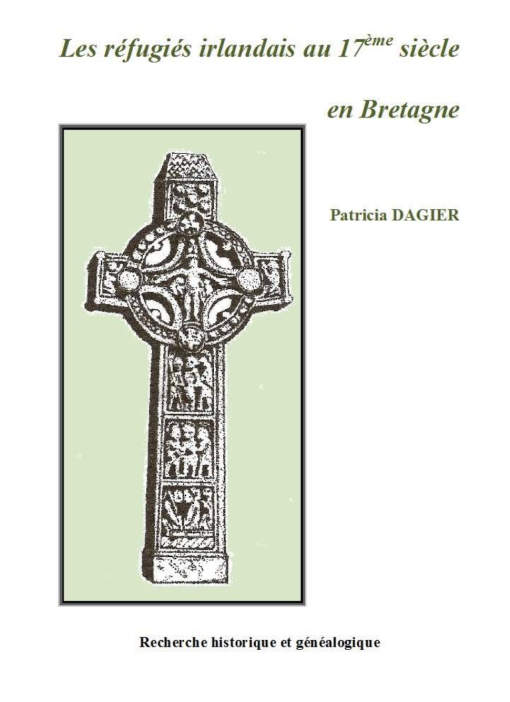
Patricia Dagier's book, "Irish Refugees in Brittany in the 17th Century," is available for free download on the author's website