Langue betonne : la lutte continue
Réalisation : ABP – 344 vues
2ème table ronde. En breton et en français. Par ordre d'intervention : Karine Daniel, Paul Molac, Erwan Balanant, François Marani, Malorie Creac'h
Où en est la langue bretonne ?
Réalisation : ABP – 298 vues
1ère table ronde : En breton et en français. Par ordre d'intervention : Paul Molac, Anne-Sophie Brats, Rémi Toulhoat, Stéphanie Stoll, Karin Daniel.
In Quimperlé, two round tables of Gouel Broadel ar brezhoneg brought together parliamentarians, regional elected officials, and association leaders to assess the impact of the Molac law and discuss ways to strengthen the teaching and transmission of the Breton language.
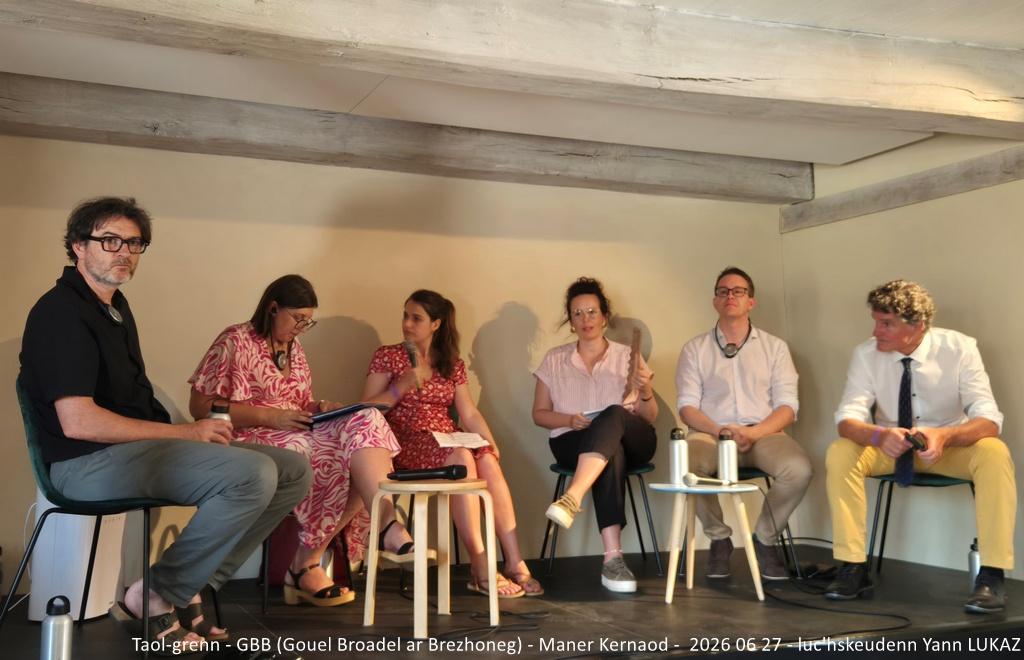
Two round tables organized by Kelennomp as part of Gouel Broadel ar brezhoneg, the Festival of the Breton Language (June 26, 27, and 28, 2026), were held on Saturday in Quimperlé. The first panel brought together the deputy and regional councilor Paul Molac, Anne-Sophie Brats, president of the Diwan schools, Rémi Toulhoat, president of Div Yezh Breizh, Stéphanie Stoll, former president of Diwan and elected member of the Brittany Regional Council, as well as Senator Karine Daniel. The speakers expressed themselves in Breton or French. Five years after the adoption of the Molac law, they provided an overall positive assessment of this text, considered a legal and symbolic turning point for regional languages, while emphasizing that the main obstacles now concern its concrete implementation. The lack of trained teachers emerged as the major barrier to the development of bilingual and immersive programs, as well as the non-application of the law regarding funding by municipalities (municipalities that do not offer bilingual education must pay a school fee to schools like Diwan).
The second panel again included Senator Karine Daniel, Deputy Paul Molac, Deputy Erwan Balanant (Finistère), lawyer François Mariani, who is involved in the legal action against the State regarding the application of the Molac law, as well as Malorie Créac'h, a teacher. The discussions focused on ways to go further: national strategy in favor of regional languages, continuity of educational pathways, strengthening teacher training, expanding offerings in public education, and better cooperation between the State and local authorities.
Several speakers also emphasized the need for a more assertive political will. Paul Molac and Erwan Balanant stated that an evolution of the constitutional framework would ultimately be necessary to fully guarantee the rights of regional languages.
What Bretons lack is political will.
What is missing for the Bretons is political will.
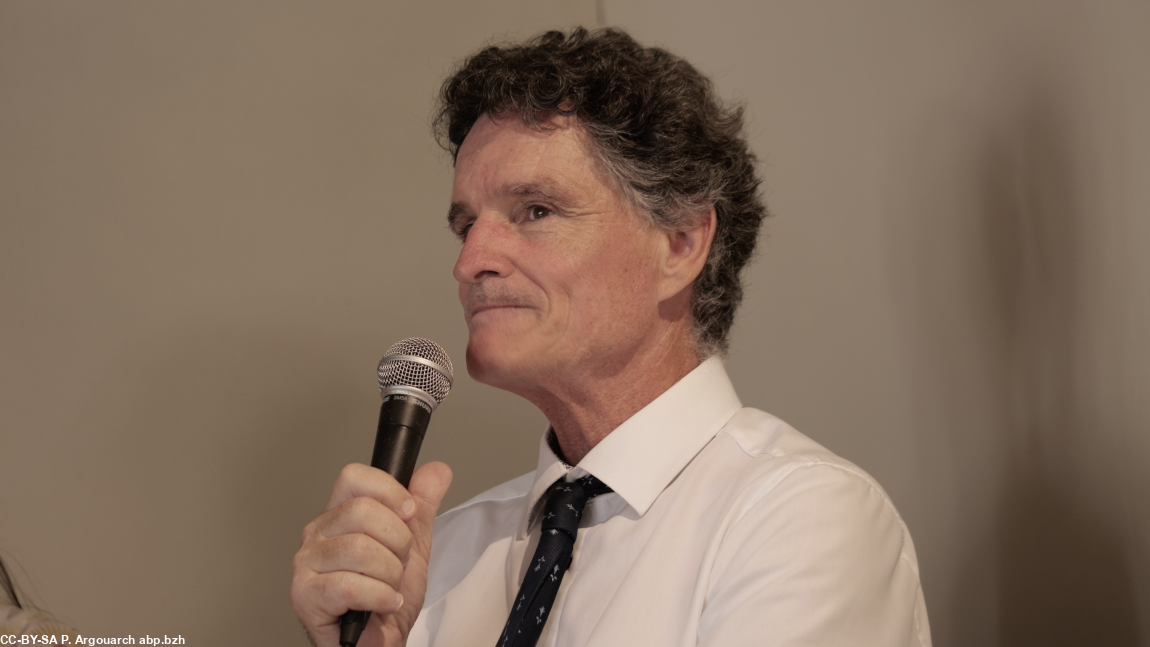
— Paul Molac, Deputy of Morbihan
François Mariani, for his part, presented the stakes of the legal action taken to ensure that the State respects the commitments made in the agreement signed with the Brittany Region. All recalled that the progress made in recent years owes much to the mobilization of associations, parents, and committed elected officials.
Find above the two round tables in their entirety. They allow for a deeper exploration of the many topics discussed during this day dedicated to the future of the Breton language.