By supporting the constitutional bill for an autonomous Corsica within the Republic, Paul Molac has reignited the debate on French centralization. For the Breton deputy, territorial autonomy is primarily a matter of democracy.
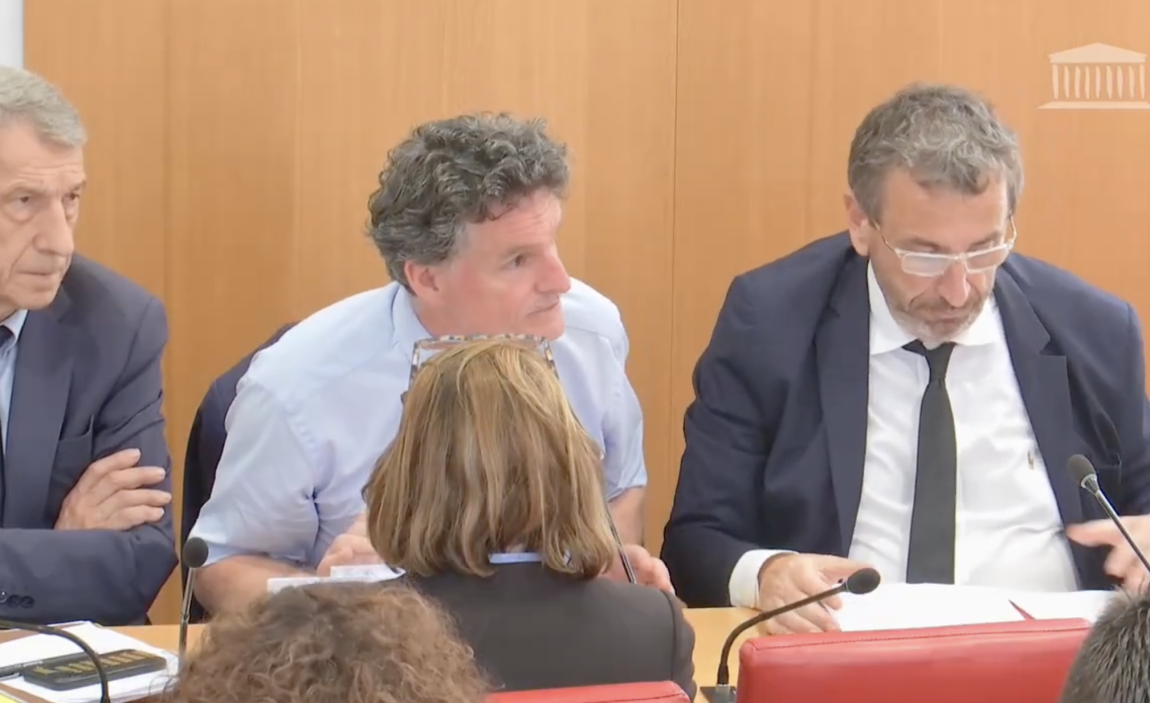
Breton deputy Paul Molac intervened on Tuesday, June 2, in the law commission of the National Assembly during the examination of the constitutional bill "for an autonomous Corsica within the Republic." In a two-minute speech, he expressed his support for the text, placing the Corsican issue within a broader debate: that of territorial democracy in France.
For Paul Molac, Corsica faces particular constraints: insularity, the coastal law on the coastline, the mountain law in the interior, but also a level of income among the lowest in France. "The problems that we can have in rural areas are simply squared in Corsica," he summarized.
But the deputy from Morbihan particularly emphasized the democratic dimension of the debate. According to him, France remains very behind compared to its European neighbors in the sharing of power between the central state and the territories. "We have become accustomed in French democracy to having the separation of powers, but we do not truly have territorial democracy," he stated, recalling that many European countries have regions or autonomous communities.
Paul Molac also highlighted the broad consensus found in Corsica around this demand for autonomy. He mentioned the commission's visit to the island, where parliamentarians heard union, economic, and agricultural representatives express their support for an autonomous status. "There is a real consensus in Corsican society that we should not ignore," he warned.
In response to elected officials concerned about the risk of fragmentation of the Republic, Paul Molac replied that regional autonomy is, on the contrary, a common reality in Europe: "Autonomous regions are what we find most in Europe. They should not worry; this does not mean that Europe is becoming a balkanization."
This position taken by Paul Molac resonates well beyond Corsica. It raises once again the question of the place of territories with strong historical, cultural, and linguistic identities in a Republic where the main decision-making centers remain largely concentrated in the capital.