In "The Other Memory of Chateaubriand," Carole Naulleau imagines a meeting between a reader from 2025 and the viscount. Their conversation takes him back to his Breton childhood.
The work of Chateaubriand is the greatest Breton contribution to French literature. Father of Romanticism, the Malouin is also the great founder of modern French prose. Reading certain scenes such as the victorious return of the royal fleet to the harbor of Brest after the American War of Independence or scenes from the Revolution in the "Mémoires d'outre-tombe," one has the impression of reading a report from "L'Express."
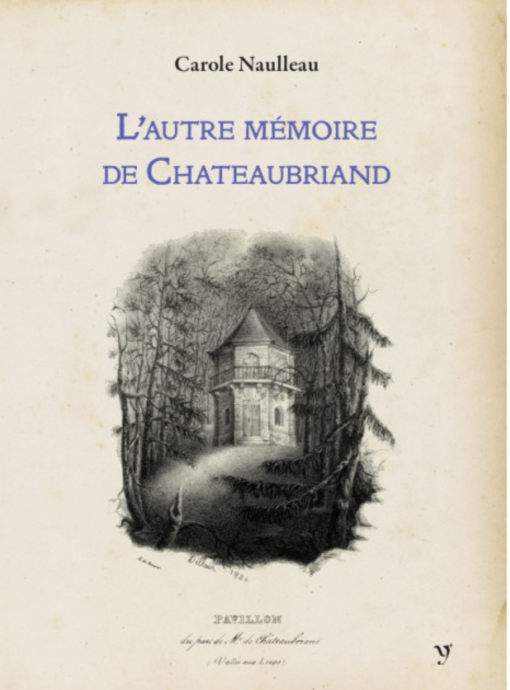 « <i class="citation">L'autre mémoire de Chateaubriand</i> », Carole Naulleau, Yoran embanner, 2026, 168 pages, 18 €. ISBN 978-2-36785-095-5.
The book begins simply with the description of a "gardener's house hidden among the hills." "I even felt that it was calling me," she confides to ABP. She has given this experience of a reader to Indiana, her heroine, who joins the viscount at the Vallée-aux-Loups in 1809. To make him speak, the novelist draws from his writings.
"I am a man of ruins and revolutions. The Republic collapsed beneath my feet, the Empire rose like a temple without an altar. I left it... Memory of loyalty – drowned in the blood of the Duke of Enghien. I was more royalist than the king, if indeed a king still breathed under this iron century. And I inhabit a world empty with a full heart; without having used anything, I was disillusioned with everything. _"
The dialogue takes on its full strength when the viscount's memories bring him back to Brittany. We know the dark corridors of Combourg and the footsteps of his father in the silence. The novel takes us to Plancoët, to his maternal grandmother's house, and then to Monchoix, to his uncle's, where music is made and dancing takes place. These scenes restore to Chateaubriand's childhood a joy that the legend of Combourg leaves in the shadows.
Born in Paris, Carole Naulleau lives in the Basque Country. Her grandmother, originally from Carnoët in Côtes-d'Armor, raised her and instilled in her a taste for stories and legends. In 2018, the novelist paid tribute to her with "Mamm-gozh et la croix du diable." The title, she tells ABP, "carries something of her presence, her strength of character, and this attachment to Brittany that she bequeathed to me." With The Other Memory of Chateaubriand, Carole Naulleau imagines what the viscount did not have time to write about his childhood.