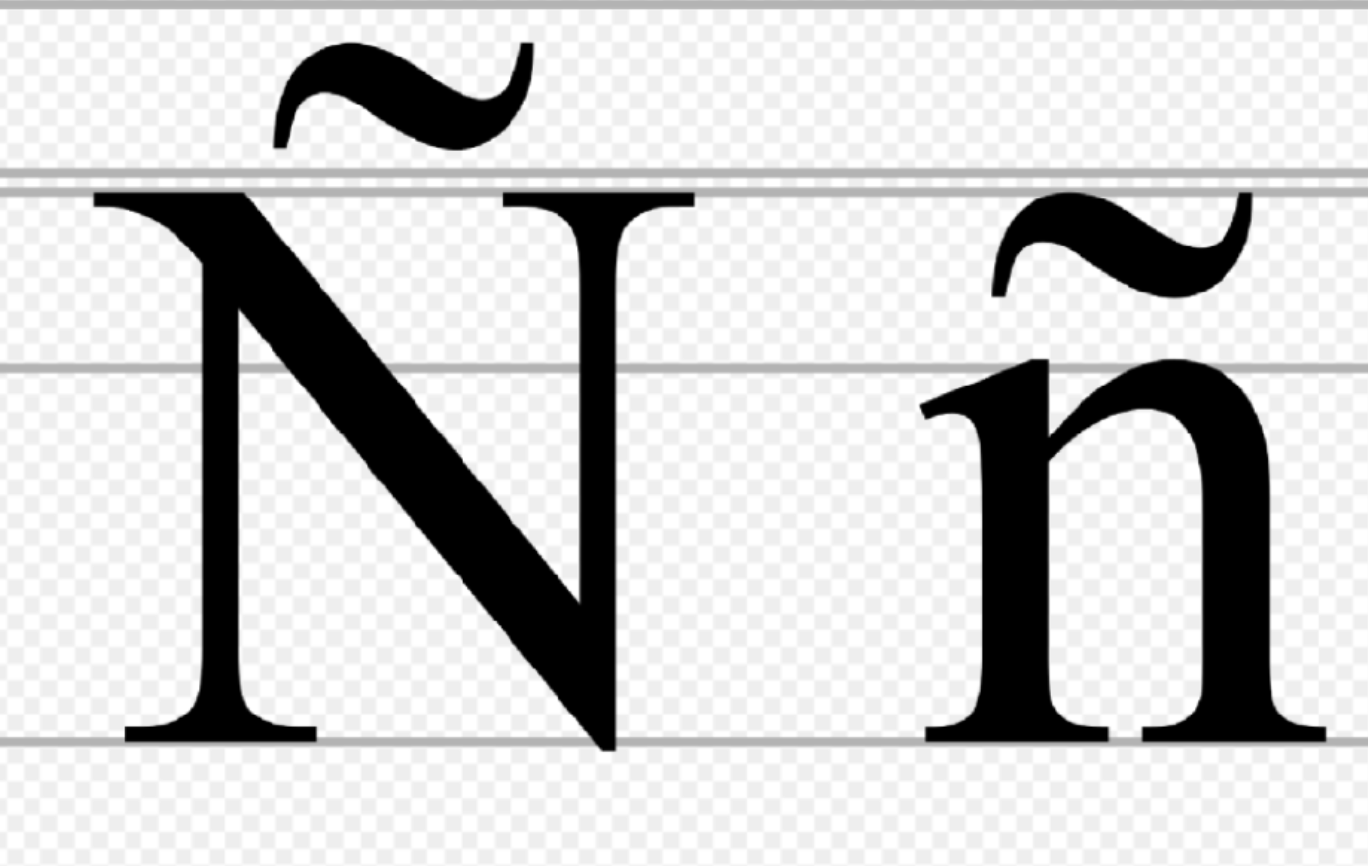
The tilde, used notably in the Breton name Fañch, is now accepted in first names registered in the French civil registry. Justice Minister Gérald Darmanin has asked prosecutors not to contest the use of this diacritical mark, putting an end to several years of controversy.
A Long Legal Battle
The case erupted in 2017 when the civil registry of Quimper refused to register the name Fañch for a newborn, on the grounds that the letter "ñ" did not belong to the characters authorized by a circular from 2014. The decision sparked significant mobilization in Brittany, as the spelling is commonly used in the Breton language.
After several judicial twists, the Court of Appeal in Rennes authorized the use of the tilde in the name Fañch in 2018. The appeal filed by the public prosecutor's office was subsequently deemed inadmissible by the Court of Cassation in 2019, making this decision final.
A Directive Addressed to Prosecutors
Justice Minister Gérald Darmanin has asked prosecutors not to contest the use of the tilde and other regional diacritical marks in names registered in the civil registry, according to a statement from the Ministry of Justice released on March 3.
"The Justice system has better things to do than to initiate proceedings following the use of diacritical marks in first names and proper names," he explained on X. "France is rich in cultural heritages, particularly regional ones, that must be respected."
This position aims to put an end to the uncertainties that may have persisted in certain civil registry services and to avoid the judicialization of these situations.
In practice, names featuring this diacritical mark, such as Fañch, can now be registered without administrative difficulties. This is particularly true for Breton as well as Basque.
A Small Victory for the Breton Language
For advocates of regional languages, this development represents an important symbolic gesture. It recognizes the legitimacy of spellings derived from languages that have long been present in French territory.
In Brittany, the name Fañch has over the years become a symbol of the defense of the Breton language and the right to transmit one's cultural identity in the civil registry. A decision perceived by many as a rare victory for those fighting to speak, read, and write the language of their ancestors.

Commentaires (0)
Aucun commentaire pour le moment. Soyez le premier à réagir !