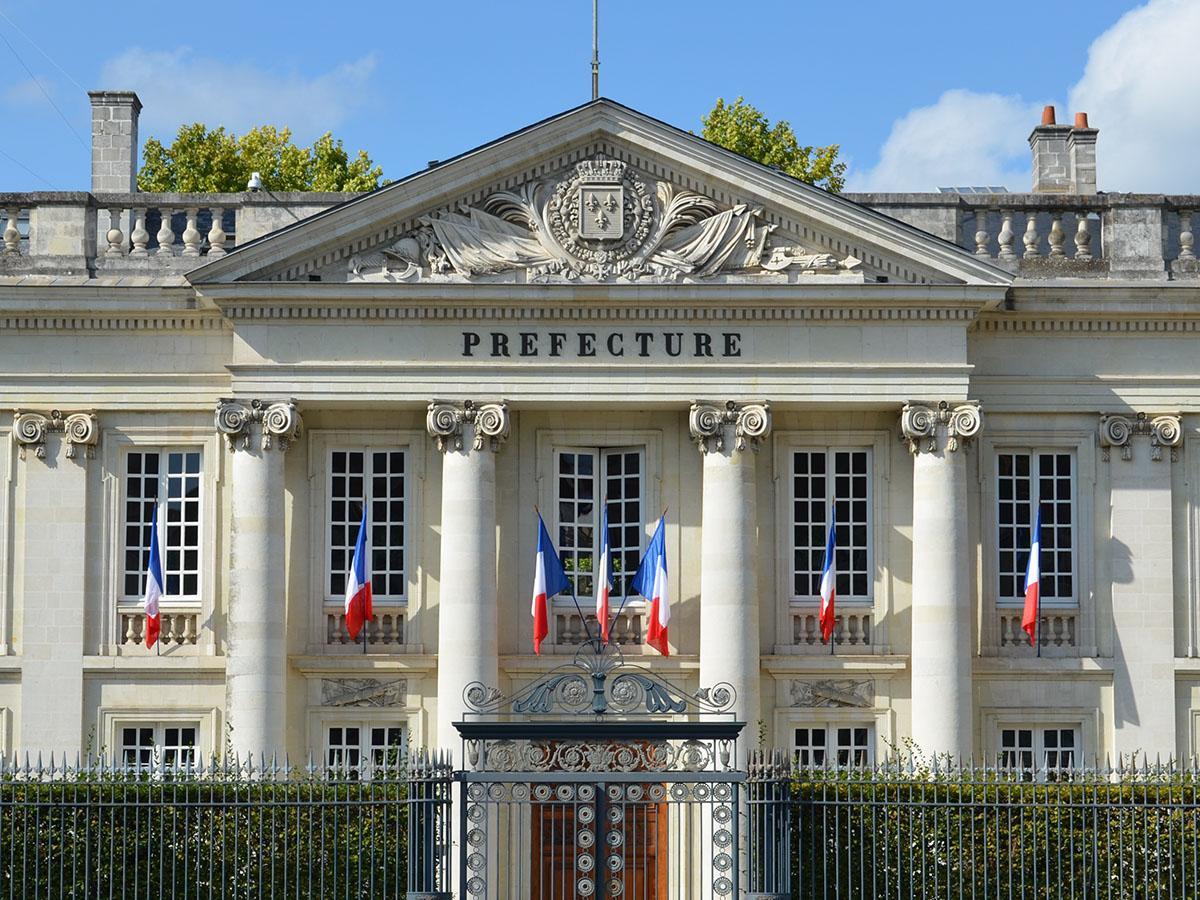
A bill presented as a new step in decentralization would aim to strengthen the powers of prefects. This direction reignites the debate on the reality of territorial power sharing in a country that is the most centralized in Europe.
A bill on decentralization, a version of which has been consulted by several media outlets including Le Monde, would significantly strengthen the powers of prefects, representatives of the State in the territories, in the name of better "clarification of responsibilities."
Presented, as often, as a new step in decentralization, the text would actually fit into a very different logic: that of strengthening central power through its territorial relays. The prefecture, an institution inherited from Napoleon I — thus from the Empire and not from the Republic — is based on a simple principle: a representative of the State, appointed and not elected, tasked with enforcing decisions made in Paris. This organization remains largely specific to France in Europe.
The project would aim to give prefects more leeway to adapt public policies at the local level, particularly in essential areas such as housing, ecological transition, or health. These are all competencies that, in other European countries like Germany, largely fall under the Länder, that is, regional authorities with extensive legislative powers and significant budgets.
Certainly, the text would also mention an expansion of the possibilities for local experiments, with occasional exemptions from national standards. But these adaptation margins would remain framed by the State itself, and not entrusted to elected local authorities. As it stands, no significant transfer of competencies to regions, departments, or municipalities is being considered.
The text has not yet been officially presented to the Council of Ministers and may evolve before its examination by Parliament. But it already confirms this long-standing habit: in France, "decentralization" often serves to redefine the modalities of State action rather than to share its exercise.
In a country among the most centralized in Europe, this approach is all the more concerning as public opinion evolves in the opposite direction. According to a recent poll published by Le Figaro , 71% of French people want France to "become federal."
Between a State that consolidates its territorial relays and growing aspirations for greater autonomy, the gap appears increasingly dramatic. Corsica is still waiting for a framework law on its autonomy, fiercely negotiated with its elected officials. In Brittany, the institutional question of a form of autonomy is regularly raised, while a new autonomist party is in the process of being structured.